Unlike many South Asian regions, the Maldives has seen limited cultural documentation until recently. Traditions have mainly survived through the active participation of older generations, however those numbers dwindled significantly in the last century. In recent years, as most of the world veers towards revival and preservation efforts stemming from nationalist sentiments, a renewed interest has been generated in young people in the Maldives to rediscover and reclaim their cultural heritage—a movement actively being supported by the government. (Maaz, 2021)
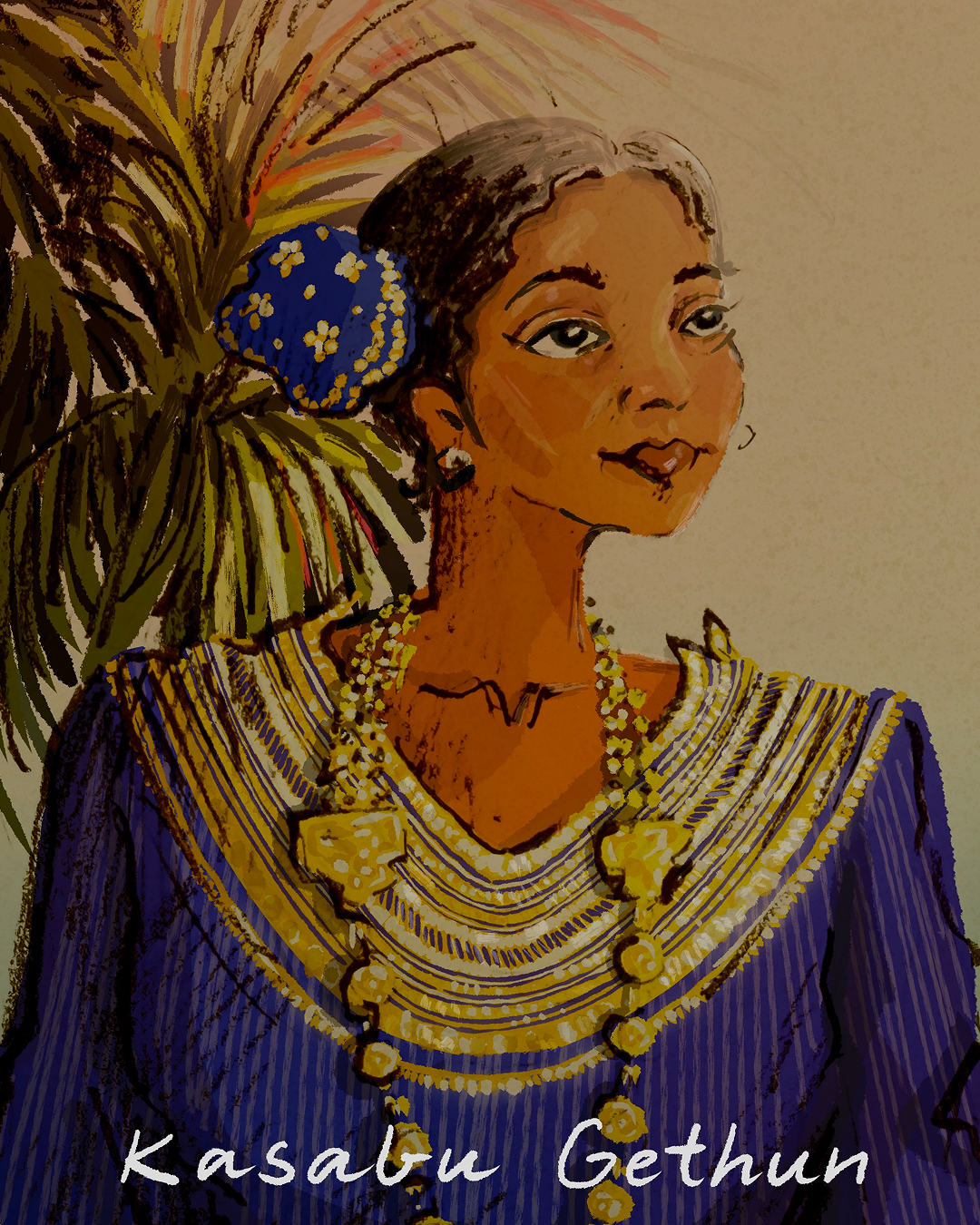
A cluster of atolls in the middle of the Indian Ocean, existing at the intersection of several ancient trade routes, Maldivian culture contains influences from India, Africa, Sri Lanka, the present-day UAE, Southeast Asia, and even China. Local craft traditions developed as a result of this robust exchange and were adapted and modified to make them quintessentially Maldivian. One such craft is Maldivian lacemaking, known as Kasabu Gethun.
Libaas and the Technique of Kasabu Gethun

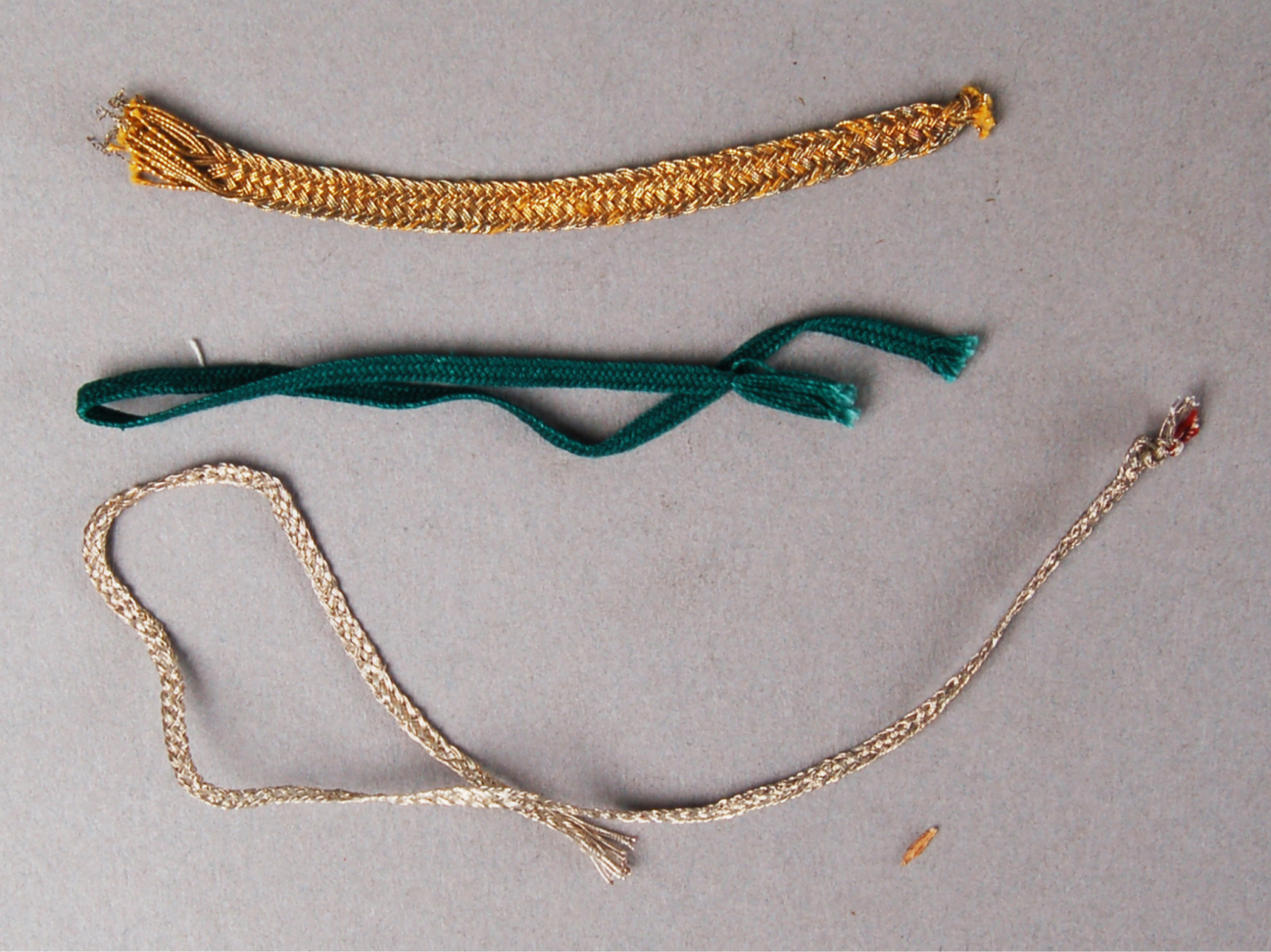
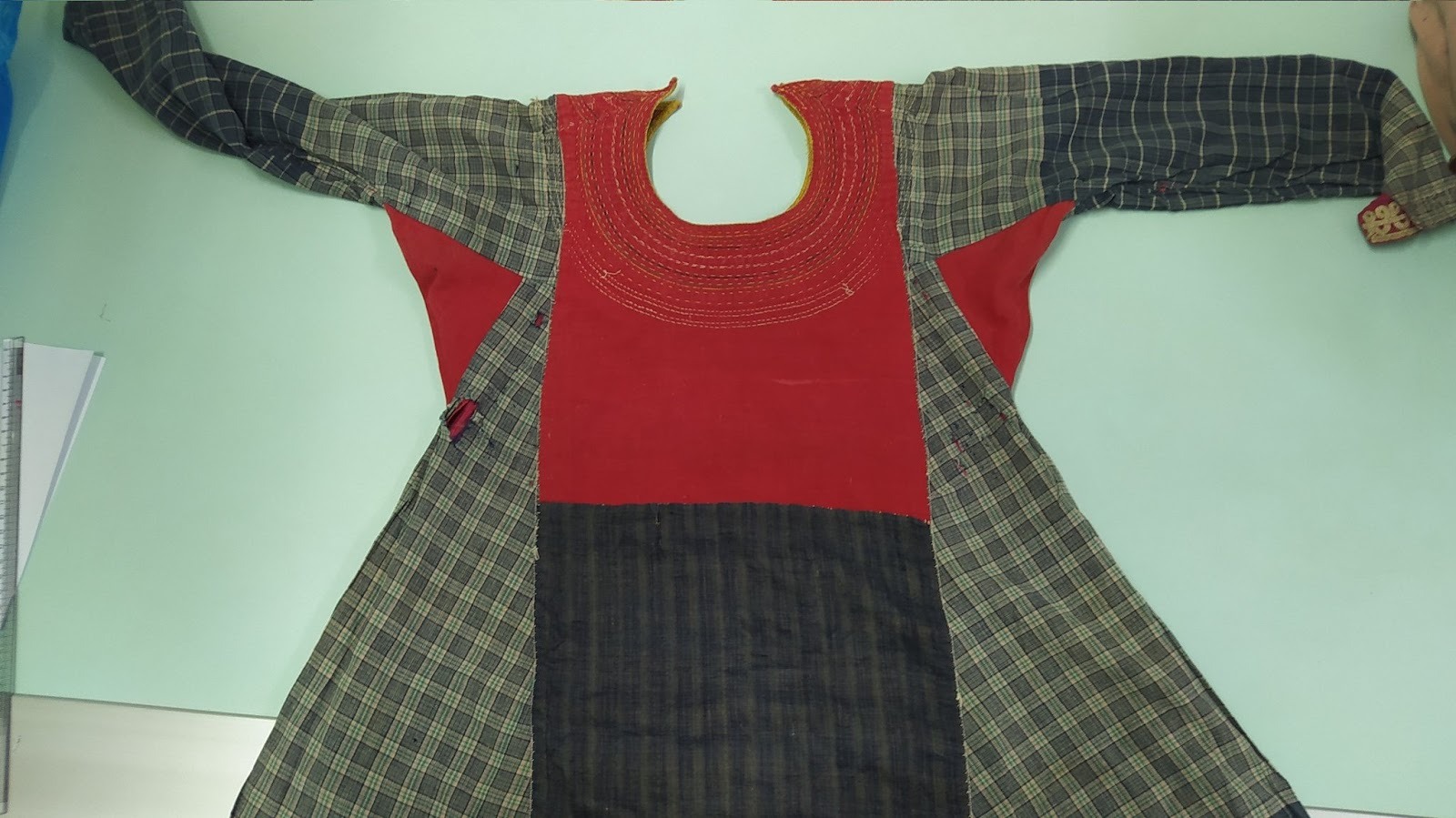
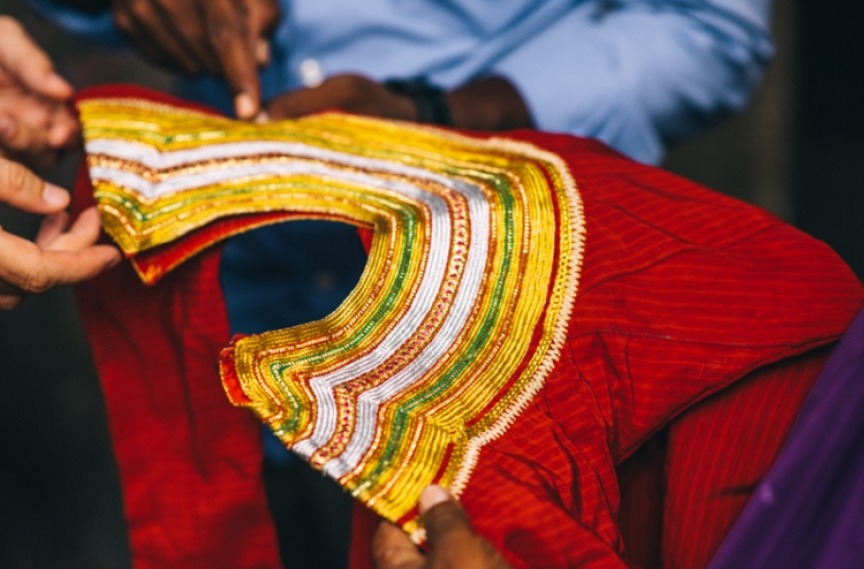
Kasabu (Gilded, Metallic Yarn) Gethun (Braiding) or Kasabu Viyun (Weaving) is an intricate braiding technique that produces delicate lengths of lace, typically sewn concentrically around the necklines (kasabu boavalhu) of the traditional Maldivian women’s dress, the Dhivehi or Boavalhu Libaas (img. 1, 2, 3). Real gold and silver were once used to make the braided kasabu, but this is rarely seen nowadays.
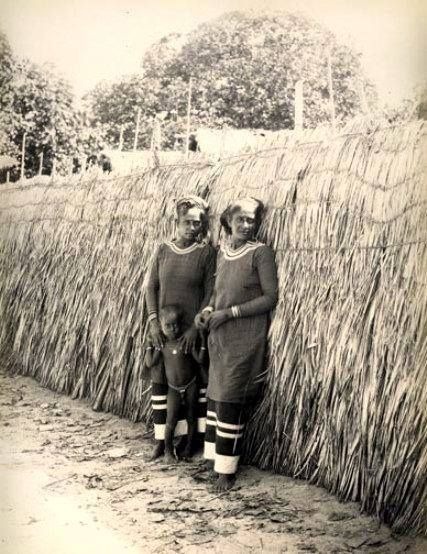
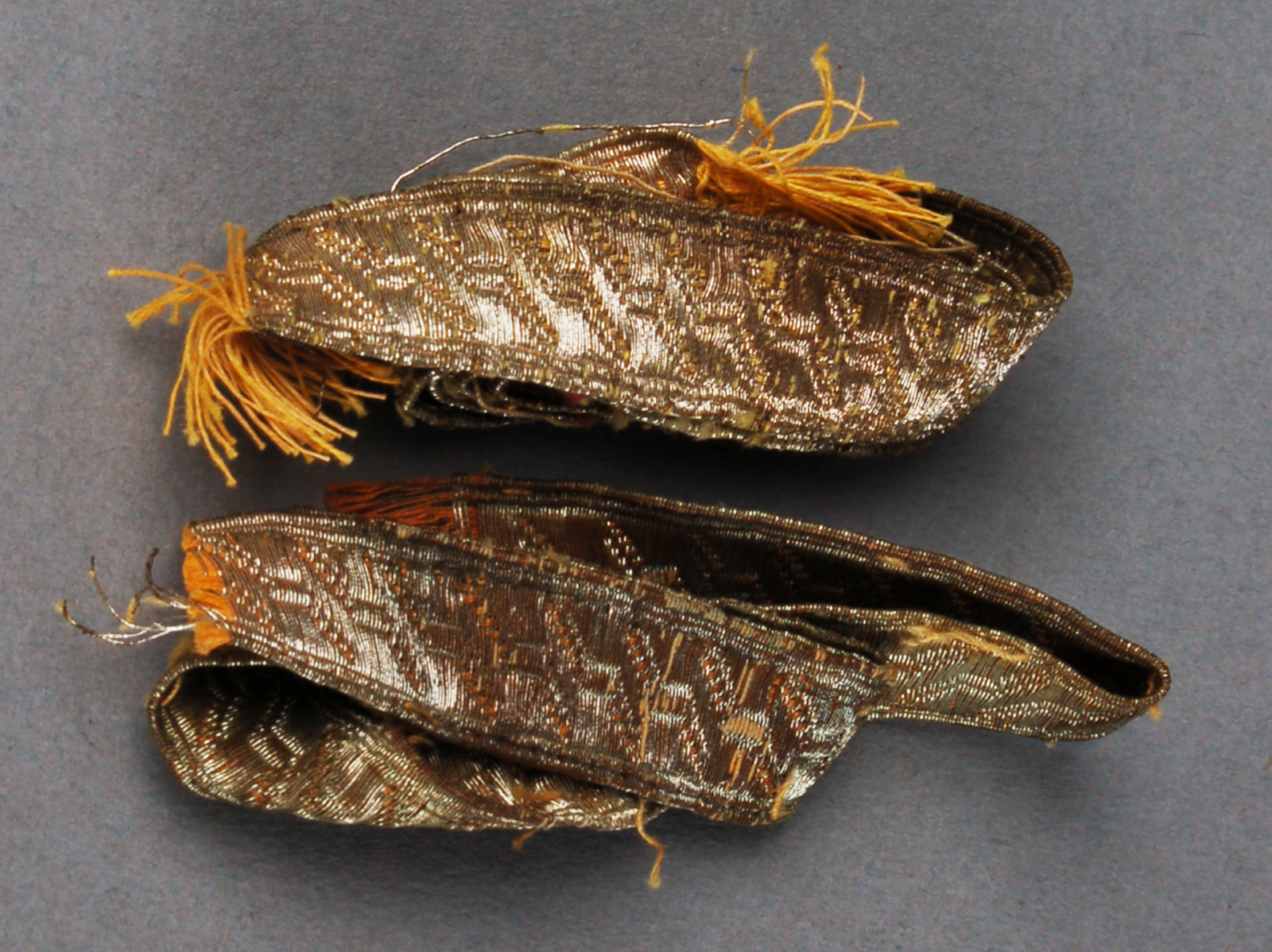
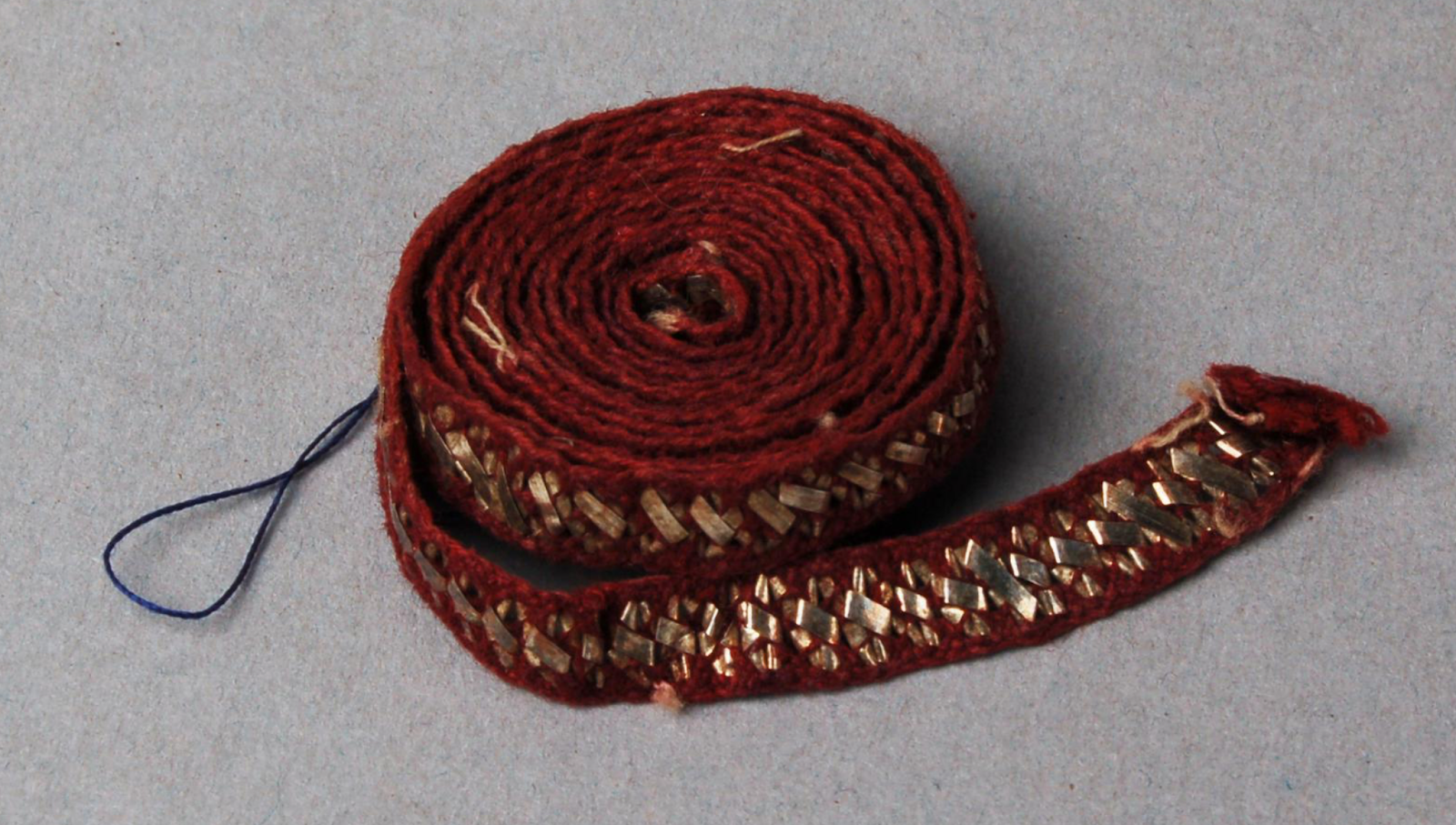
All the materials used to make the boavalhu libaas are currently imported from other South Asian countries such as Bangladesh and India. In the late 19th–mid 20th century, the libaas was an adharasam (silk-cotton) or purasam (silk), long, tailored tunic with an ornate neckline and ornamental cuffs called kinaari (gold woven ribbon) (img. 4 a & b). Nowadays, polyester or nylon-based libaas fothi or cloth is used. This is any non-stretch fabric with vertical lines on it. Traditionally, the bodice fabric was striped with badla (flattened metallic wire), but these days plain fabric is also used. The dress as it stands today dates back to the 16th century, however, its evolution into its current state can only be speculated upon. The origins of the specific neckline design are also obscure. There is some evidence to suggest that in the past, only the Royalty and Noble classes wore libaas with intricate gold and silver necklines, but the garment has since been democratised. Googling Dhivehi Libaas normally produces images of a red libaas, which is a recent trend. Many older dresses in existing archives are of different colours such as pink, blue, and green. Despite witnessing colourful libaas being worn by elders in society, it stopped being the preferred dress for young people post 1950s, however, there is a noticeable shift in its perception today. Movements such as the ‘Libaas Movement’ on X popularised and propagated the attire amongst the youth and made it fashionable. This may be because, aside from being unique to the Maldives, the garment is also very versatile.
The specific pattern of the libaas allows for alterations in such a way that a woman can wear it for a long time, accommodating her changing body (img. 5). A libaas is made for longevity, perhaps lending to its enduring presence in Maldivian culture. There are certain practices associated with it that make it a special possession, such as the ceremony Libaas Levvun, during which a girl is given her first libaas as she hits puberty. Typically, she would be presented with three—one for special occasions and the other two for everyday wear. While the libaas holds ceremonial significance, older generations often wore it daily.

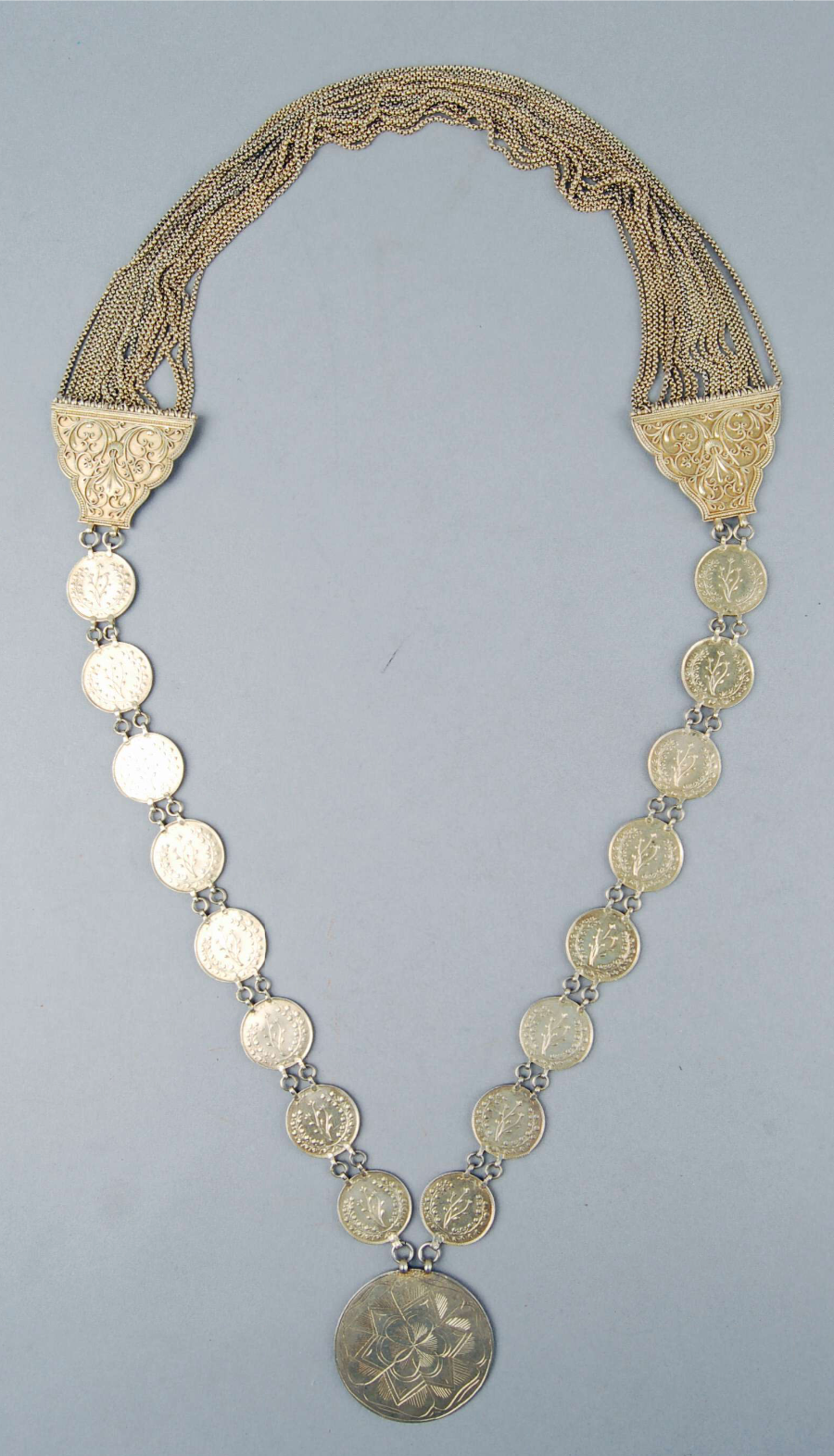
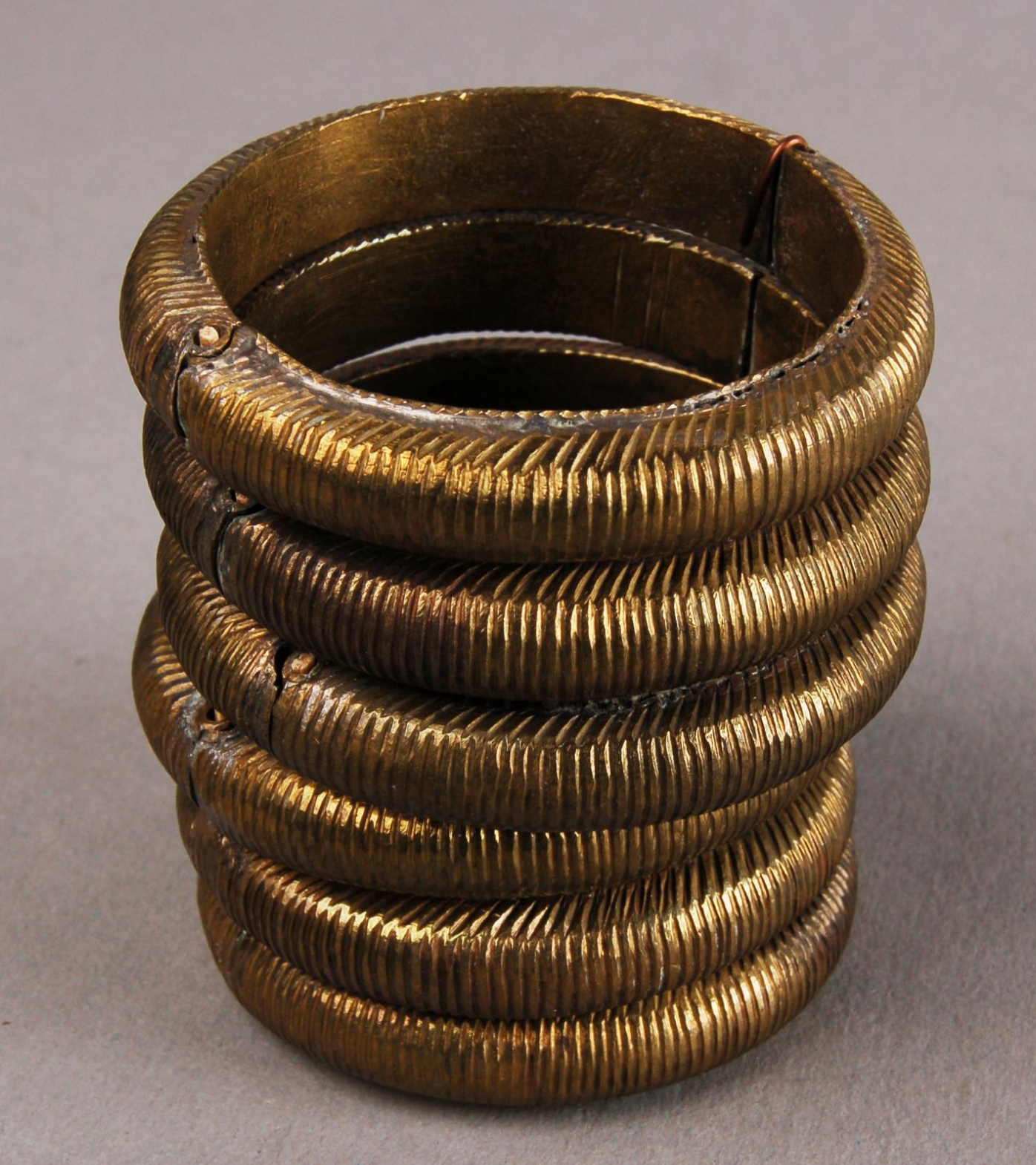
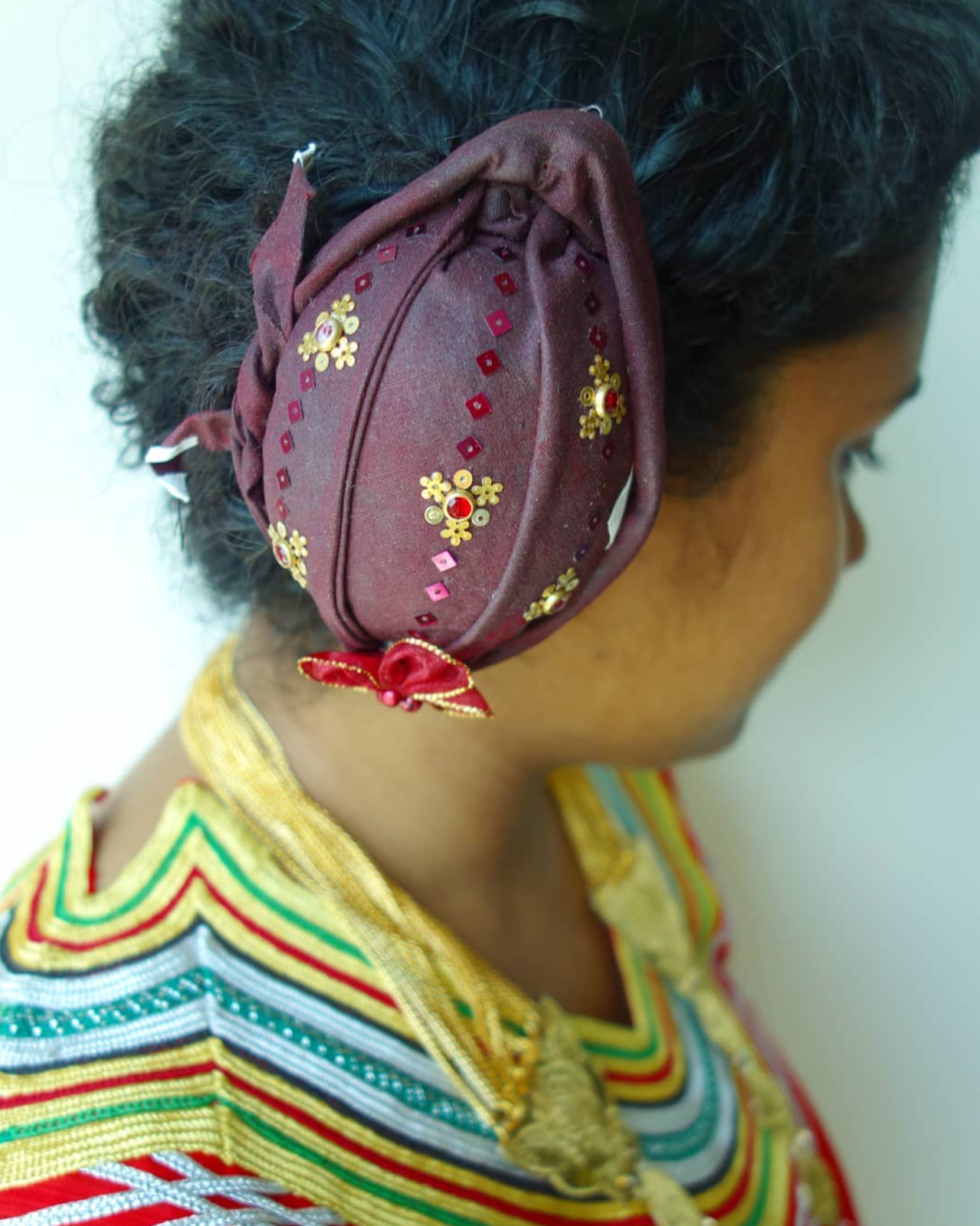
Special occasions and formal events would warrant the inclusion of a long necklace called fattaru bai (img. 6), traditional bangles or Ulhaa (img. 7), and specific bun placement on the right side of the head covered with a rumaa falhi (img. 8). A feyli (sarong) is worn as the lower garment with the libaas. This is a handwoven cotton fabric comprising white, black, maroon, dark brown, or dark blue bands. Specific crafts like this are critically endangered as mass produced, machine-made alternatives become increasingly common with changing fashions and economic conditions.
While traditionally part of the libaas, kasabu gethun is now being adapted to create novel products such as wristbands, jewellery, and tourist souvenirs.
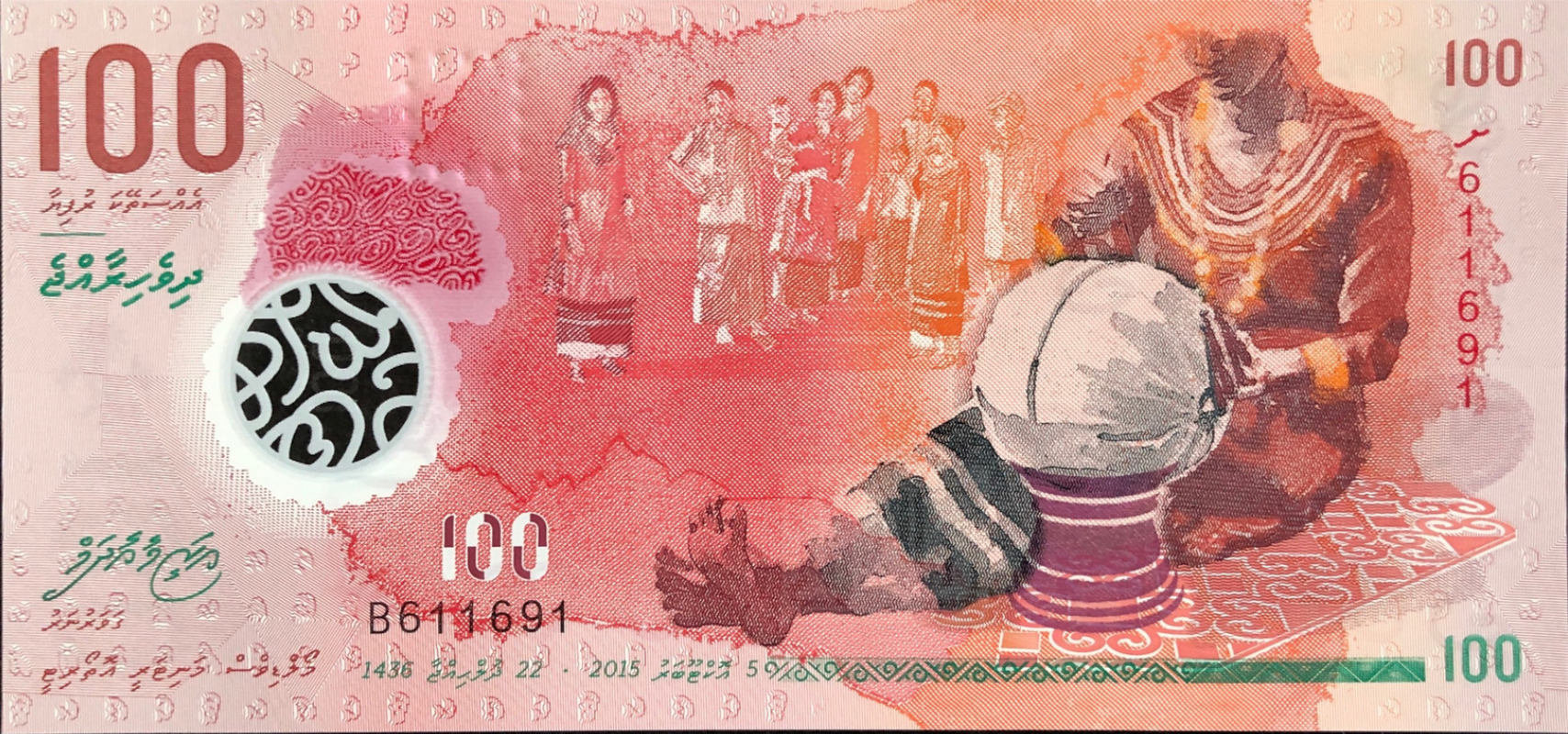
A symbol of national pride, Kasabu Gethun appears prominently on the Maldivian 100 Rufiyaa note (img. 9). While its prominence would normally imply a flourishing craft, it is far from thriving. Earlier, most families had at least one person practising the craft. It was a community activity where women would gather to braid together. Today, kasabu gethun is more prevalent in the southern islands and the specialised knowledge remains only with a few elders, with younger generations moving away from it. Many sell or give away their libaas to souvenir shops and museums—making it increasingly difficult to document and pass on the knowledge. This indicates a disconnect and loss of value for the handmade—not an uncommon sight in many traditional societies. Although the craft is not gendered and can be practiced by both men and women, most practitioners in the Maldives are currently women. Any initiatives in documenting and learning the craft were previously met by resistance and hostility, as for many lacemakers (of the few that remain), it is a means of livelihood, and the unique designs, a protected secret. Of late, slow yet deliberate strides in this domain are being made by learning, teaching, documenting, and innovating with the craft. With tourism being one of the main sources of income, the craft is also used as an attraction, and braiding performances are popular across the islands. This has brought the craft outside the Maldives and increased the world’s erstwhile latent interest in the rich local culture, with many tourists becoming keen to learn the technique themselves.
The handmade nature of the craft leads to many small variations and designs, which makes each traditionally made libaas special and unique. It takes about three weeks to make, with the boavalhu taking most of the time. Although cheap, machine-made lace is available in markets (a handmade libaas tends to cost between 2500-5000 Rufiyaa or £120–£270 for an adult), and one can rent a libaas instead of getting one made, the charm of the traditionally made libaas persists.
Similarities with Other Crafts
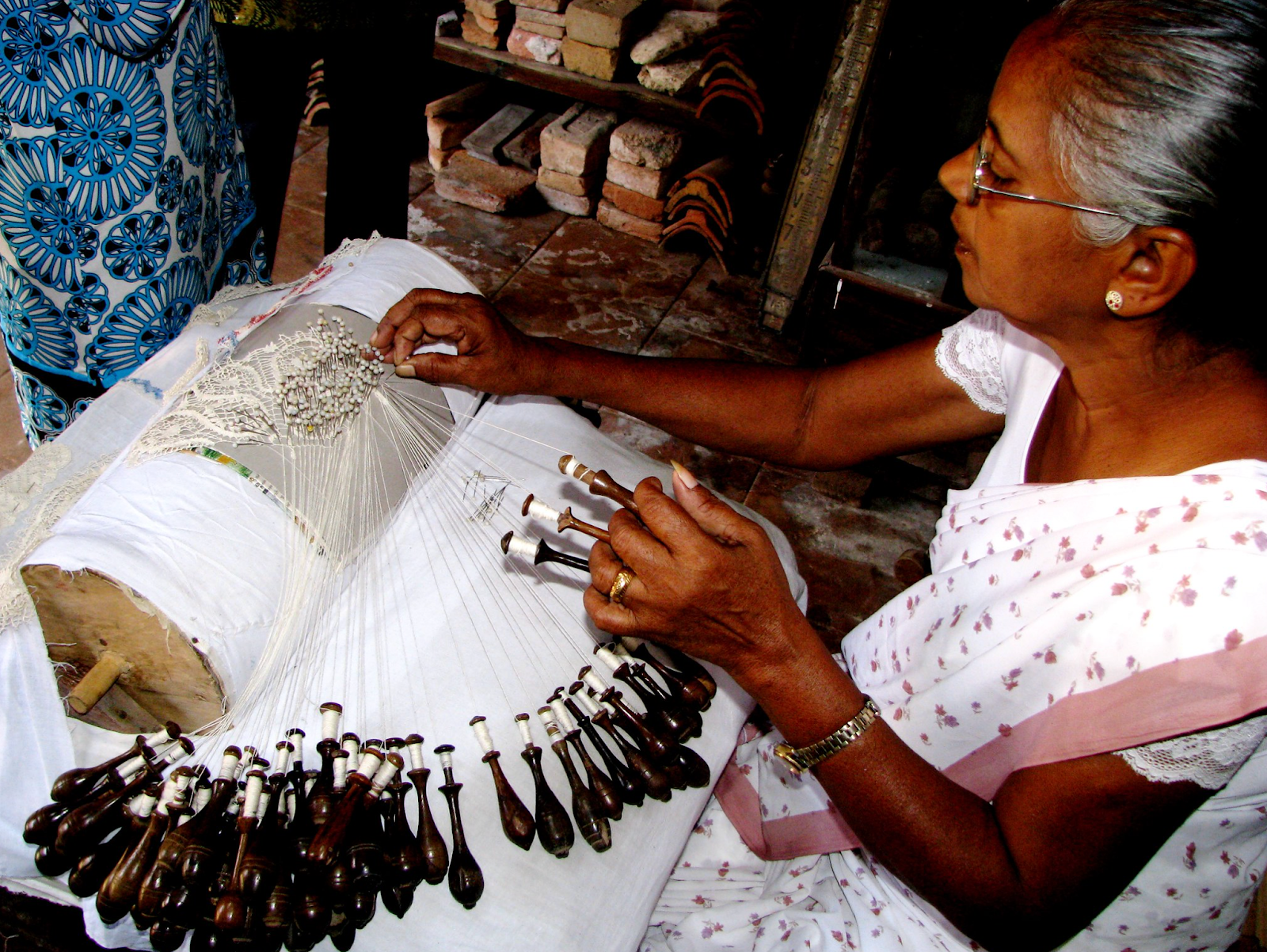
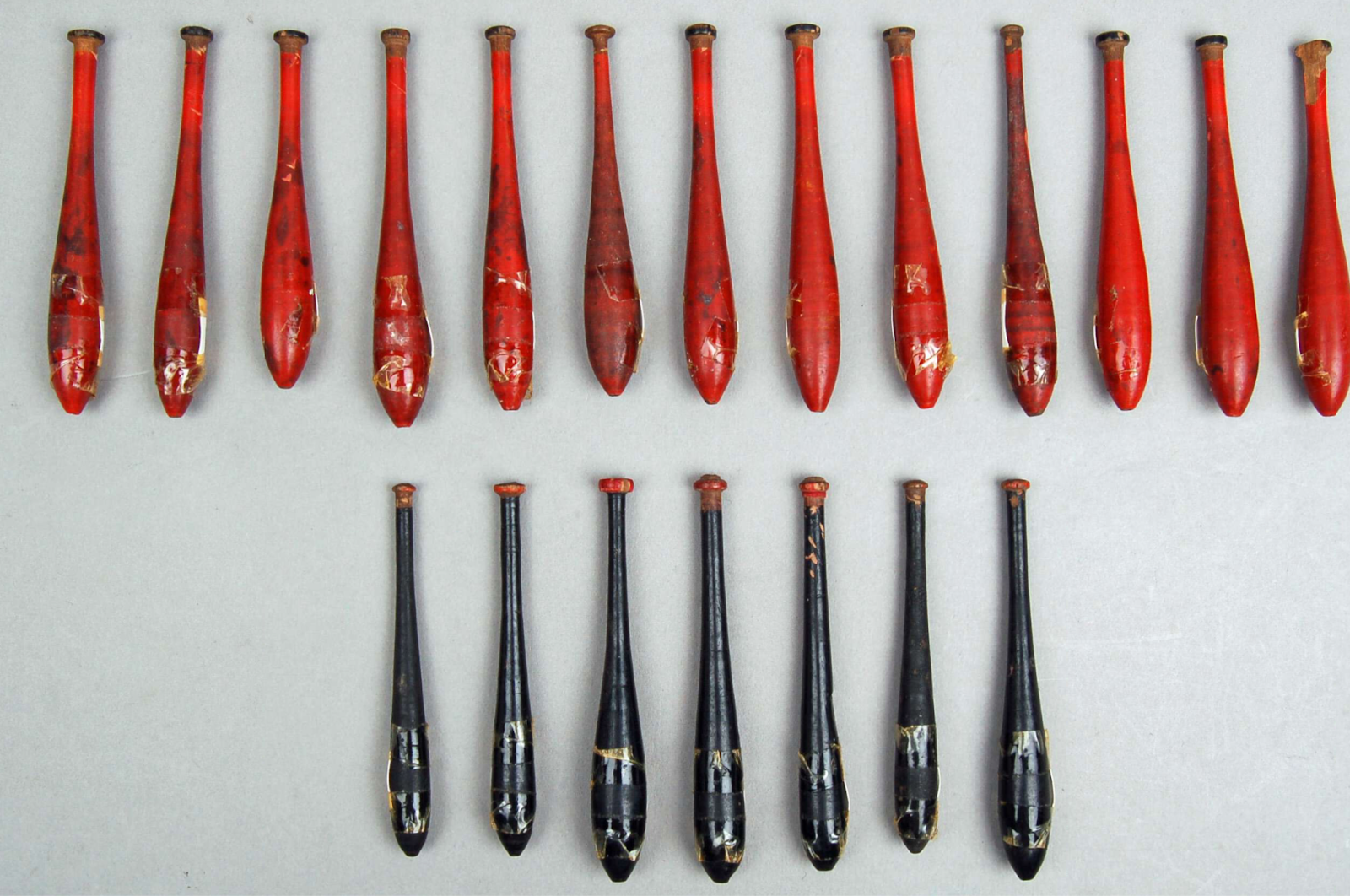
Lacemaking exists in other South Asian countries such as India and Sri Lanka where it was introduced by the Portuguese and the Dutch respectively. In the Maldives, aside from similarities in bobbins used (img. 10, 11), the designs, specific braiding technique and the use of lace is distinct. This hints at other influences, making the precise origin of the craft unclear.
The technique bears close resemblance to Talli embroidery (braiding) in the Middle East, both in the equipment used and designs (img. 12). Similarities have also been observed with the Japanese Kumihimo technique and braiding practised in Northwest India, although the equipment used is completely different. These similarities may be attributed to the nature of braiding itself, and tangible links are yet to be found.

The Set-Up
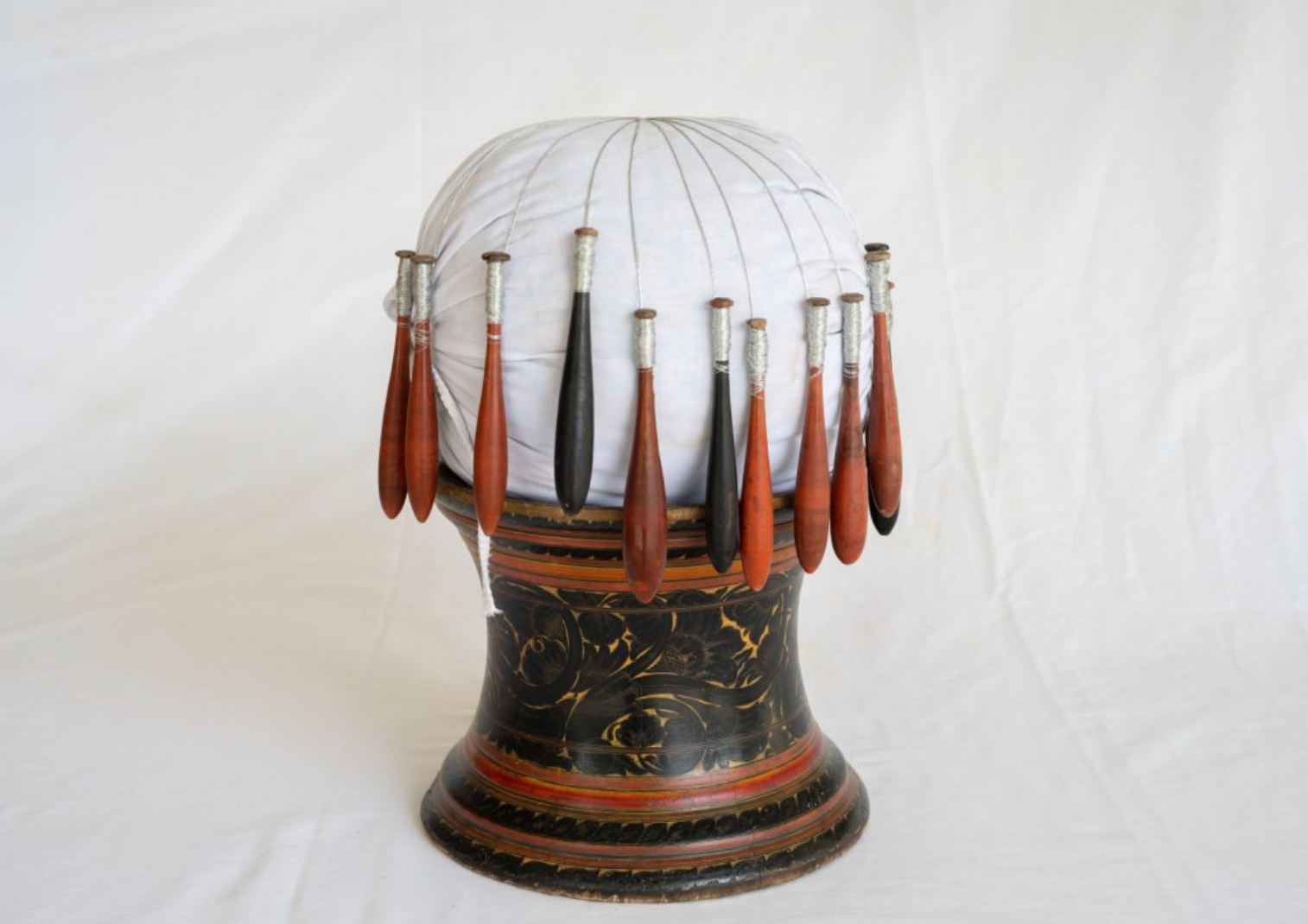
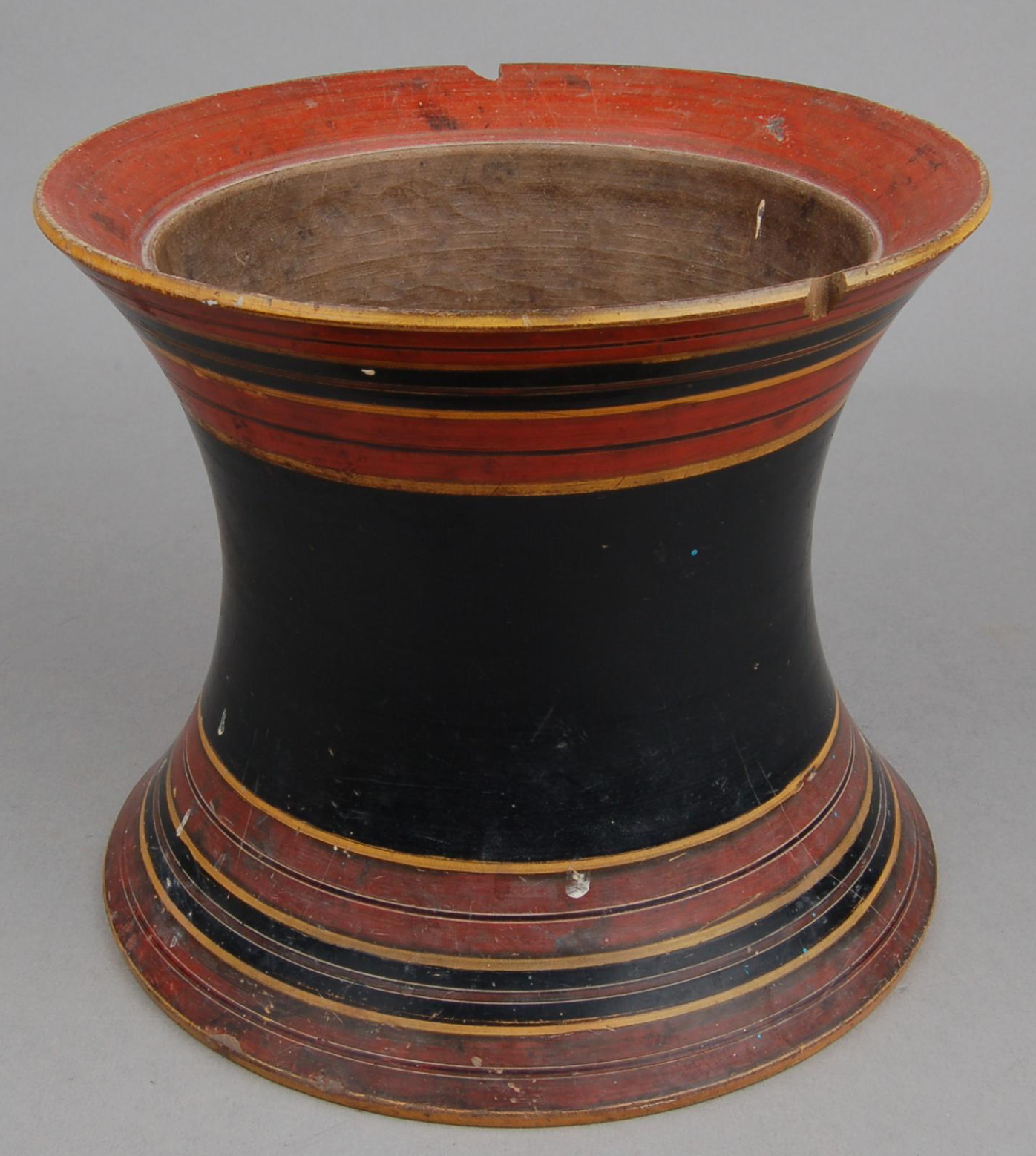
Kasabu Gethun uses wooden bobbins made of Iron Wood or Lime Berry Timber, with yarn wound around them (foali) (img. 10). The specific wood does not splinter, and is appropriately weighted for the purpose of making the lace. These are pinned and suspended from a round cushion called Gaatha boa, which rests on a vase-like wooden stool called Gaatha fai (img 13). The term is also used to refer to the whole setup. The gaatha fai is often made using the traditional lacquer work craft called Liyelaa Jehun (img. 14). Typically, the boavalhu comprises seventeen rows of lace arranged in a specific order, made with coloured yarn, and gold and silver kasabu (img. 15). Each row is braided with a different number of bobbins, to a different degree of complexity, and has a different name. The most intricate central band, called Rothigandhu (img. 16), is made with coloured yarn and badla. The topmost braid is called Mathee Hiru, which is followed by rows of Hima Hiru (Gold) alternating with Badla Hiru ơr Bagiya (Coloured Braid). Hudhu Hiru (Silver) flanks the Rothigandhu on either side, after which the same pattern as above is mirrored. The outermost rows are called Thiree Hiru,
Thundu Kaari Hiru, and Thundu (Zigzag pattern). Sometimes, a Vahbagiya or two silver rows are seen instead. There are minor differences in the colours and designs across the islands, however, this arrangement remains roughly the same. Based on existing documentation, it is apparent that this pattern has not changed much since the late 19th century. This may indicate a resistance to alter one’s identity in changing times by holding cultural inheritance sacred. In olden days, it was possible to tell which island a person belonged to just by looking at the boavalhu on their libaas, however, due to increased mobility and mixing over the years, these differences are not as stark anymore. Despite this, a trained eye is still capable of telling the difference.
In the past, braiding, stitching the libaas and applying the lace onto the neckline were specialised skills and different people undertook each task. Nowadays, the same person does all three, sometimes purchasing the braids from a braider to optimise the use of time.
Practitioners such as Hidhana and Naduha learned the craft out of their own interest and are working to re-inject the practice of kasabu gethun into everyday Maldivian life. Whether it is by actually setting an example by wearing the libaas for everyday work, or using the braiding technique to create novel unisex products such as wristbands, or even actively documenting the craft and the libaas in greater depth than ever attempted before—they are doing it all. In fact Naduha is a former student of Hidhana’s. I spoke to them about their experience of being so deeply entwined with the craft for this article and they are to be credited for most of the information provided here.
For them both, the craft is a representation of the history of Maldives and its relationship with the rest of the world. A product of trade and exchange, the technique echoes the warmth and hospitable nature of the people, and their innate creative voices that nurtured and honed their traditional crafts such as kasabu gethun despite limited resources on the islands. The hope is for the craft to live on and be adopted by more and more young people, so it lives on as a potent marker of everything the country has been, and to shape what it is to become.
Naduha is currently researching the craft to write the first book of its kind on the libaas and kasabu gethun, and would appreciate any inputs, should you have any. Please reach out to her via @gathaatales on instagram.